
Glaucoma Treatment & Surgery in Atlanta to Reduce Eye Pressure
The Glaucoma Research Foundation published statistics in early 2024 showing that glaucoma remained the second leading cause of blindness globally and in the United States.
According to the National Eye Institute (NEI) data updated in early 2024, approximately 3 million to 3.5 million Americans were living with glaucoma, and the condition affected roughly 1-2% of the U.S. population over age 40.

What is glaucoma?
Glaucoma is a group of eye conditions that harm the optic nerve (the optic nerve sends visual information to the brain). This harm is often linked to high eye pressure. If left untreated, it can cause vision loss and even blindness.
It is important to note that glaucoma is the second leading cause of blindness in the United States.
What causes glaucoma?
The main cause of glaucoma is damage to the optic nerve. This damage can come from several sources:
- Elevated intraocular pressure: In a healthy eye, fluid flows in and out. But if the drainage system fails, fluid builds up. This raises eye pressure, harming the optic nerve.
- Compromised blood flow: Poor blood flow to the optic nerve can damage it, even with normal eye pressure. This is known as normal-tension glaucoma.
- Genetic factors: Family history plays a big role. Some genetic mutations increase the risk of glaucoma, mainly in primary open-angle glaucoma.
What increases the risk of glaucoma?
Several factors can raise the risk of getting glaucoma:
- Age: The risk grows after 60, but it can affect younger people too.
- Ethnicity: African Americans face a higher risk of open-angle glaucoma. People of Asian descent are more likely to get angle-closure glaucoma.
- Medical conditions: Having diabetes, heart disease, high blood pressure, or hypothyroidism can increase the risk. Diabetes increases glaucoma risk, making regular comprehensive eye exams essential.
- Eye injuries and conditions: Past eye trauma, thin corneas, extreme nearsightedness or farsightedness, and retinal detachment can lead to glaucoma.
- Medication effects: Long-term use of corticosteroids, like eye drops, can raise eye pressure.
Diagnosing glaucoma
Glaucoma often shows no symptoms until it’s too late. By then, the optic nerve has suffered significant damage. Regular eye exams are crucial for early glaucoma detection, which is key to preventing vision loss.
Knowing the causes and risk factors for glaucoma helps in early action. Early intervention is the best way to stop vision loss from glaucoma.
At Woolfson Eye Institute, your surgeon will perform a comprehensive eye exam, which may include gonioscopy (using a special lens to see the outflow channels), checking the intraocular pressure (tonometry), a retinal exam, slit-lamp exam, pupillary reflex response, and checking your visual acuity and visual field measurements.

LASIK Is Just the Start: Why Refractive Surgery Is Bigger Than You Think
FAQ
To lower glaucoma risk, get regular eye exams. It’s also important to manage health problems such as diabetes and high blood pressure. Also, avoid eye injuries and eat well and exercise.
Eyes should be checked every 2-3 years after 40. More often if you have glaucoma in your family or other risk factors. Early detection is key.
Yes, eat foods rich in antioxidants and omega-3s. Stay hydrated. These can help lower eye pressure and keep eyes healthy.
Yoga and aerobic exercises can help eye pressure. But, talk to your eye doctor before starting any new routine.
Managing stress can help eye health. Try meditation and deep breathing. Also, get enough sleep and balance work and life.
Talk to your eye doctor about preventive meds if you’re at risk for glaucoma. Early glaucoma detection with advanced tech can help too.
Wear protective eyewear during sports and when handling hazardous materials. Be aware of dangers around you. This can prevent eye injuries.
What is the best treatment or surgery for glaucoma?
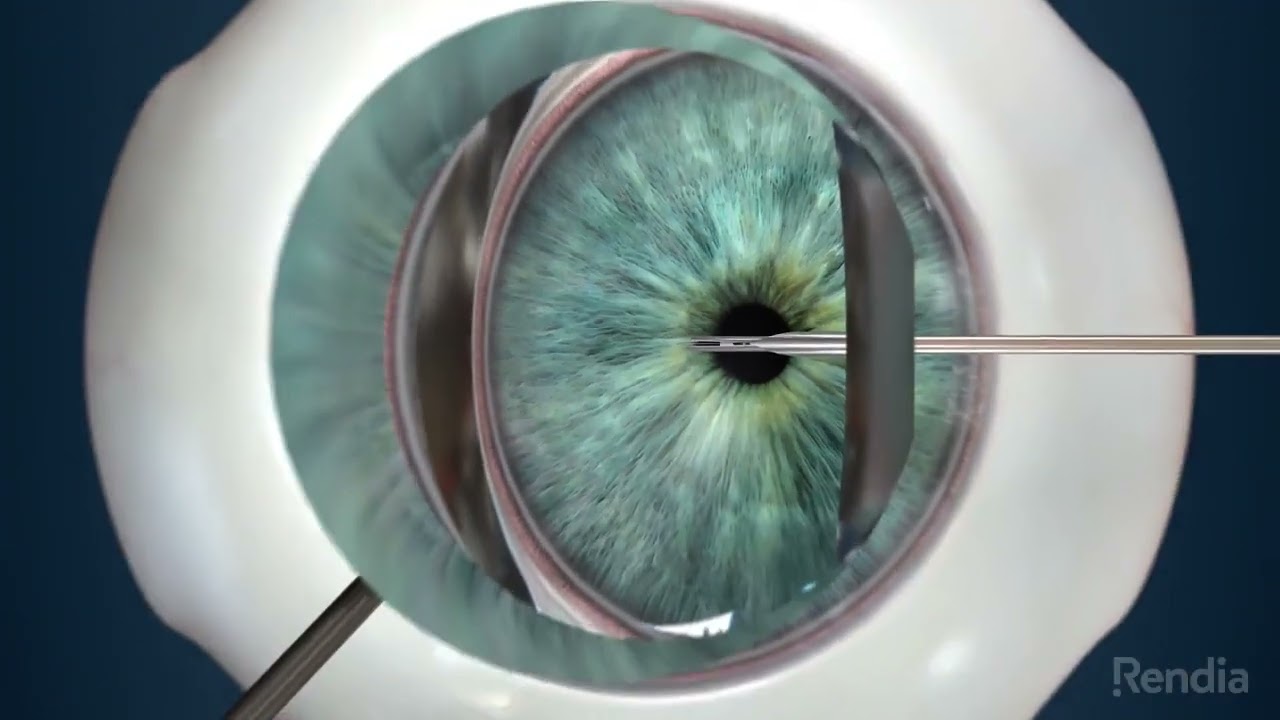
Once your Woolfson Eye Institute doctor diagnoses the type of glaucoma you are suffering from, your treatment can vary from medications to surgery.
We offer glaucoma treatment services at the following locations in Georgia: Atlanta – Sandy Springs, Atlanta – Riverdale, Canton, Cumming, Douglasville, Lawrenceville, Marietta and Snellville.

Our Glaucoma Specialists


Our Glaucoma Providers


